Delivering change that nature can sustain.
Experience-led river restoration that works in practice.
WildRiver Environmental Contracting was established in 2025 to deliver high-quality environmental contracting services, with a particular focus on rivers, floodplains, and the wider landscapes in which they sit.
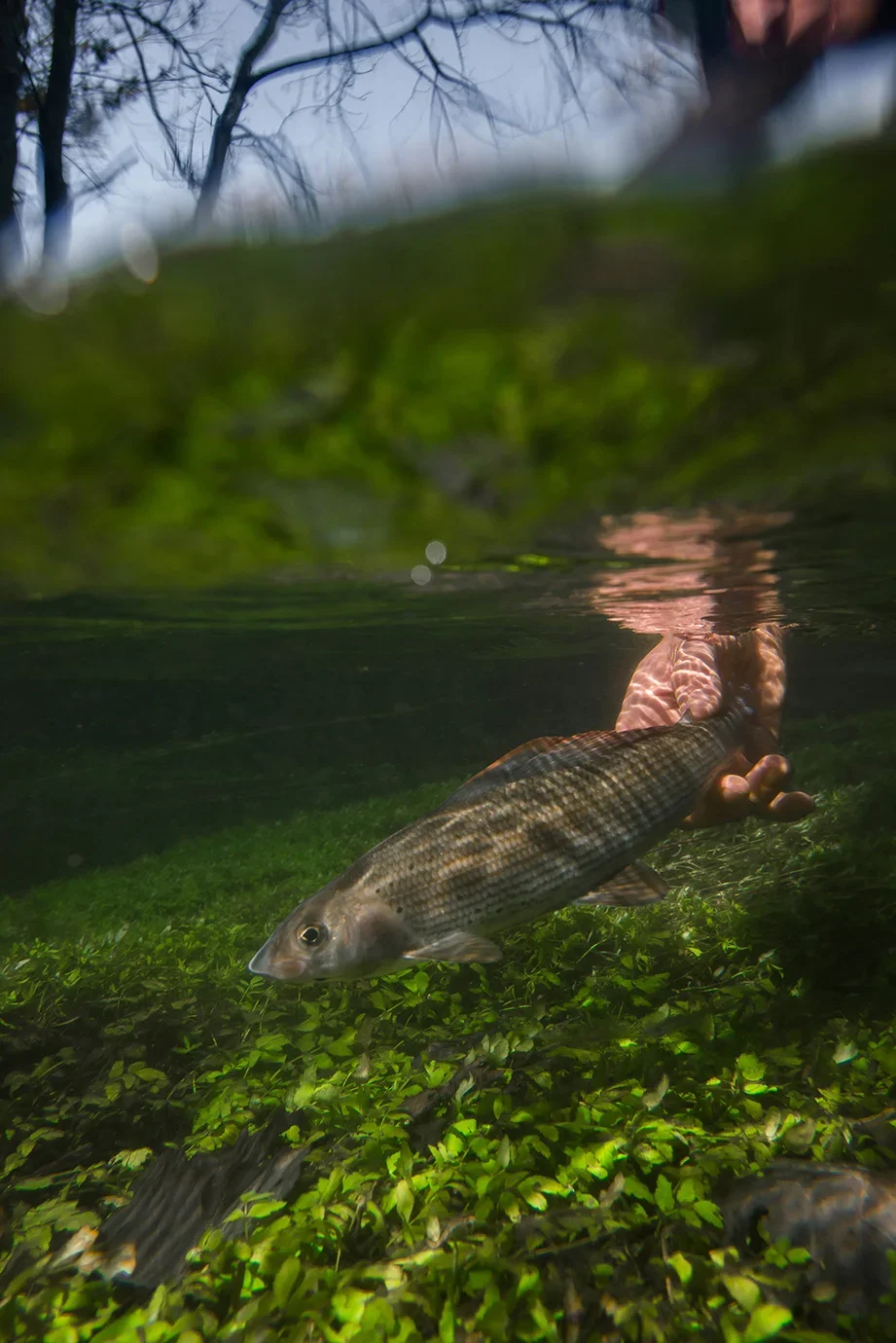
Built on over a decade of practical river and fishery management.
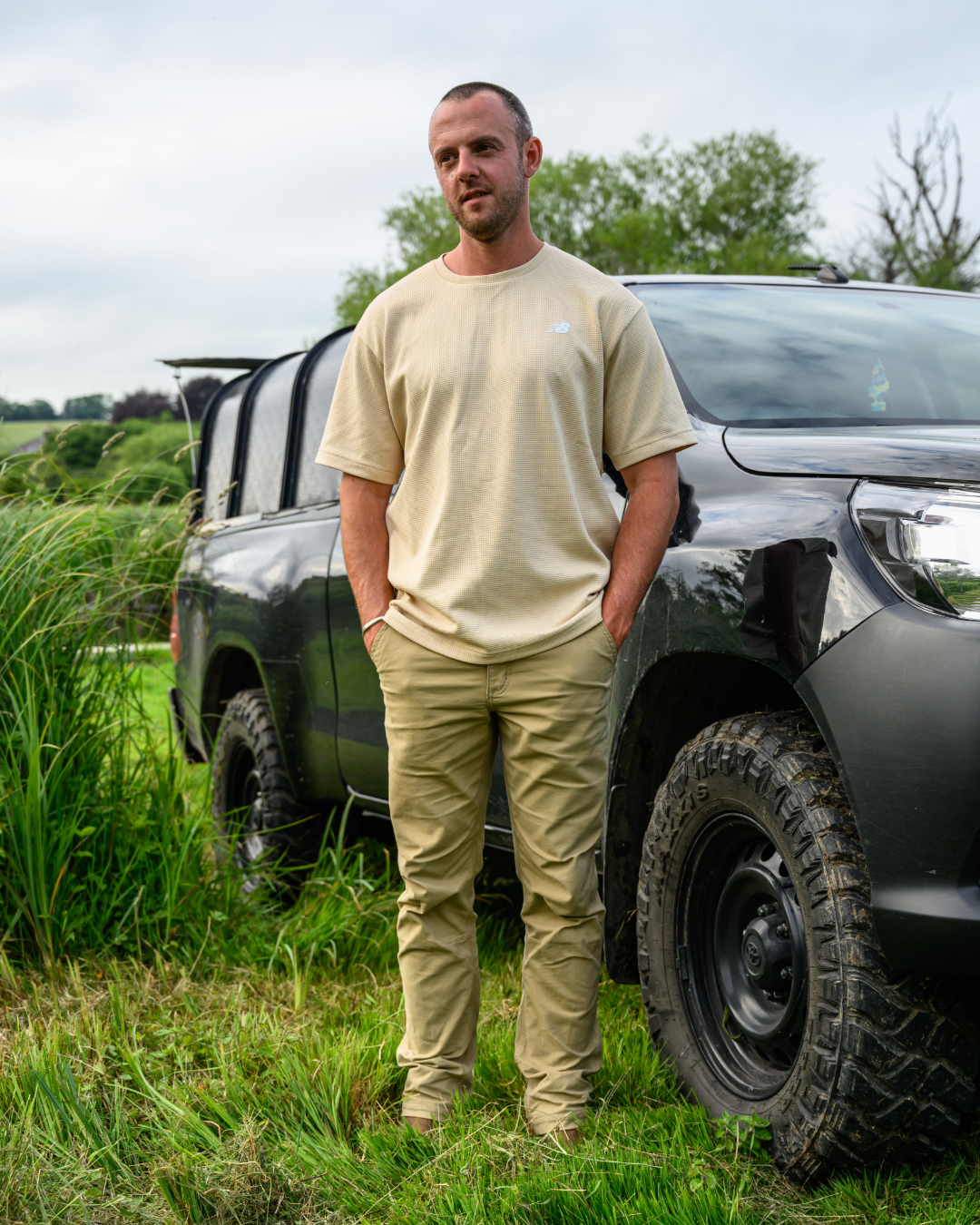
The company is led by founder Jack, who brings over 15 years’ experience in the environmental sector. With a strong, multidisciplinary background and specialist expertise in river systems, Jack provides the technical knowledge and direction that underpin WildRiver’s work.
Jack has spent over a decade working as a Riverkeeper on an award-winning section of chalkstream, developing a detailed, hands-on understanding of river processes, habitat management, and fishery performance. This experience, combined with a track record of delivering proven results in the field, forms the foundation on which WildRiver was established.
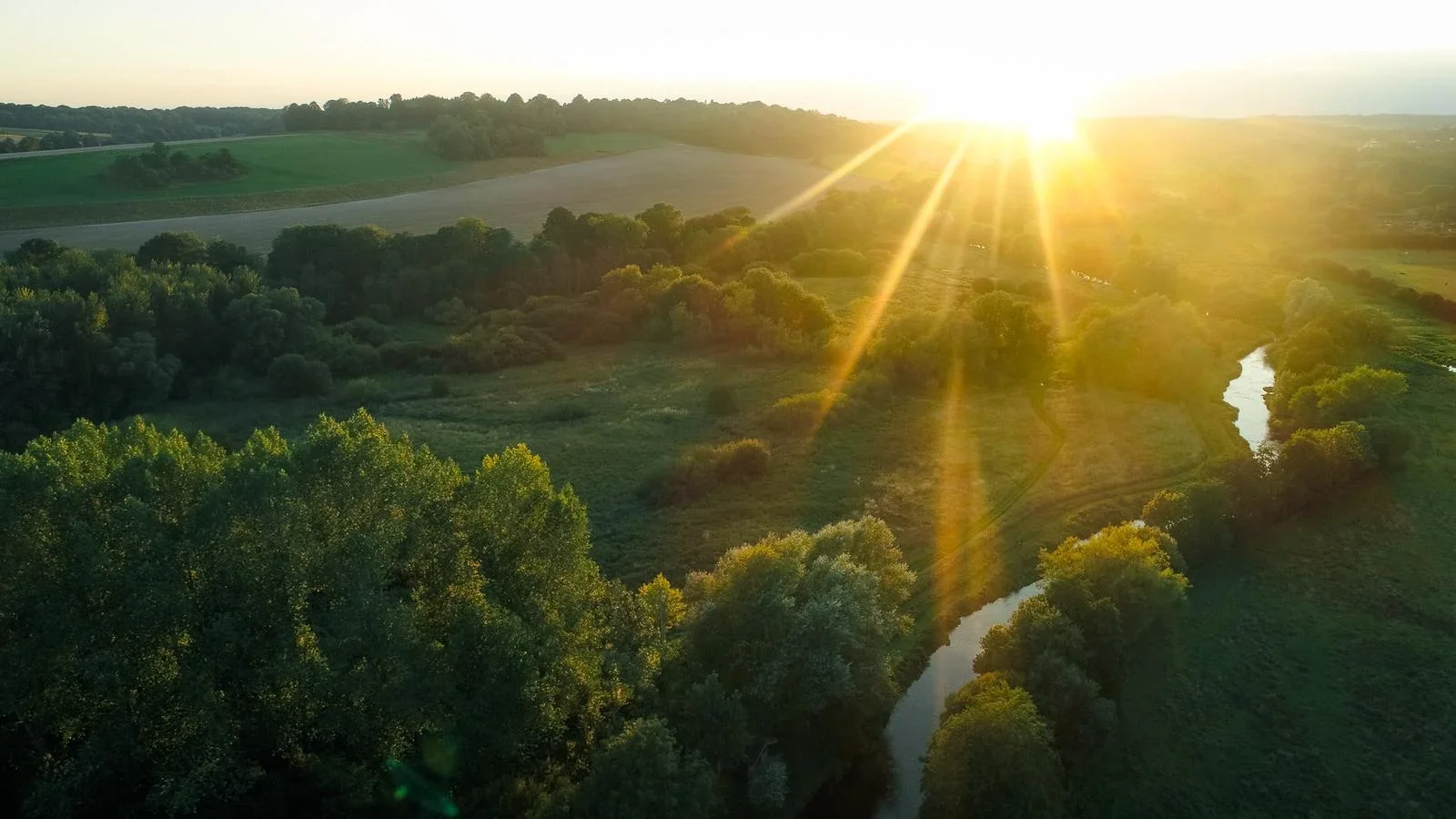
Understanding
rivers beyond
the channel.
Our Services
Delivering change that nature can sustain.
WildRiver Environmental Contracting undertakes a wide range of environmental services, including river restoration, floodplain reconnection, natural flood management, fishery consultation, beaver mitigation, landscape recovery, rewilding projects, surveying, and monitoring.
We work with private landowners, charitable organisations, river trusts, and public bodies to deliver practical, effective solutions tailored to each site. Whether supporting large-scale restoration or smaller, targeted interventions, we bring experience, care, and attention to detail to every project.
01
River restoration
River restoration focuses on restoring natural river processes, improving channel form, and enhancing habitat diversity. This can include reintroducing natural features such as gravel, wood, and varied flow types to support wildlife and improve ecological function.
With over a decade of experience as a Chalkstream River Keeper, our work is grounded in a detailed, practical understanding of how rivers behave and respond to intervention. This ensures restoration is not only well designed, but effective, resilient, and appropriate to the system.
02
Floodplain reconnection
Floodplain reconnection restores the natural link between rivers and their floodplains, allowing water to move more freely during high flows. By reconnecting these systems, water can spread, slow, and be stored naturally across the landscape. This reduces downstream flood risk, improves wetland habitats, and supports natural sediment and nutrient processes.
03
Natural flood management
Natural flood management (NFM) uses nature-based solutions to slow, store, and manage water across a catchment. Techniques such as leaky barriers, wetland creation, and strategic tree planting help reduce peak flows and improve water retention. These approaches not only reduce flood risk but also enhance biodiversity and strengthen long-term landscape resilience.
04
Fishery consultation
Our fishery consultancy services support healthy and sustainable fish populations through practical, site-specific advice. This includes habitat assessment, identification of limiting factors, and targeted recommendations for improvement.
Drawing on 10 years’ experience managing a chalkstream fishery, we provide insight that goes beyond theory—offering realistic, proven approaches to habitat improvement, stock health, and long-term fishery performance.
05
Beaver management
Beaver management supports the coexistence of beaver activity with surrounding land use, recognising the significant ecological benefits they bring to river systems. We design and install practical, site-specific solutions such as flow devices, tree protection, and water level management, helping to manage water and infrastructure while allowing natural processes to continue.
06
Landscape recovery
Landscape recovery focuses on restoring ecological function at a broader scale, reconnecting habitats and supporting biodiversity across whole sites and catchments. This can include a combination of habitat creation, land management changes, and river-based interventions. The aim is to create more resilient, joined-up landscapes that function naturally over the long term.
07
Rewilding projects,
Rewilding projects support the recovery of natural processes by reducing intensive management and allowing ecosystems to develop more freely. This may involve habitat restoration, species reintroduction, or changes in land use practices. Each project is carefully planned to balance environmental benefits with practical land management objectives.
08
Surveying
Environmental surveying provides detailed, site-specific information on habitats, river condition, and ecological features. Surveys form the foundation of effective project design, helping to identify opportunities, constraints, and appropriate interventions. Accurate data ensures that works are targeted, efficient, and environmentally sound.
09
Monitoring
Monitoring tracks the performance and impact of environmental works over time, providing valuable feedback on project success. This can include habitat condition assessments, photographic records, and ecological data collection. Ongoing monitoring supports adaptive management and ensures long-term environmental outcomes are achieved.
Restoring natural function to working landscapes.
Let’s get started: